Effect of EU Crisis on Near-term and Long Term Entrepreneurship

A recent article (http://buswk.co/JNdk5f) on “Greece’s Brain Drain Has Begun” had the following disturbing report: “According to a January poll by Panteion University, 53 percent of university-age Greeks said they might emigrate, and 17 percent already planned to.” Similar reports have appeared in recent months, describing the frustrating situation and migration plans for highly educated and trained young people in Spain, where youth unemployment is now at an unprecedented 50%. I have not yet seen any analysis that specifically addresses the likely short term and long term impact of this economic crisis on entrepreneurship in Greece, Spain as well as in other countries that are now struggling in the EU—including Portugal, Italy, in particular, and perhaps also Ireland—but I suspect we will see more analyses of these issues in the next few years.

The impacts on future entrepreneurship of the current troubles facing these countries will depend to some extent on what happens to these economies, including what happens to the euro, but some of the effects are likely to include the following:

  • Talented entrepreneurs leaving for countries with better opportunities. This may already be a growing problem in a number of the worst-hit countries, but few hard statistics yet exist to quantify how serious the problem is now or how much worse it could become. As markets shrink and consumers focus on how to get by on declining incomes, interest in new and innovative products and services are likely to decline, unless they involve lower cost substitutes for current offering. But we also know that many very successful US companies were born during times of economic recession, as these are times when you can get cheaper talent (if they have not left the country), and you can prepare to launch new and attractive products and services when the economy recovers (although in the situation of Greece, Spain, Italy and Portugal the problem of structural rather than a cyclical recession, may require significantly more time for a significant recovery)
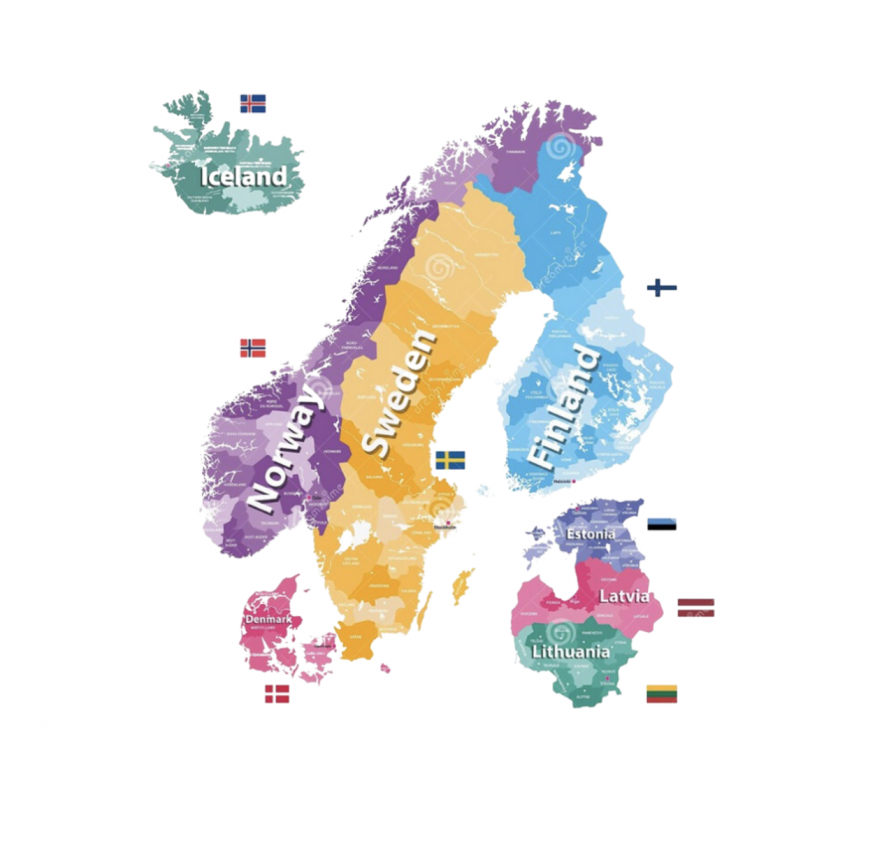
  • Shift in entrepreneurial interest towards new industries. While Iceland saw significant out migration when its economy hit the skids in 2009-2010 (when unemployment rose from around 1% to around 8-10 percent in 2010), many of those leaving were foreign construction workers (many from Poland). When I visited Reykjavik last summer I was told that the rapid decline in the financial industry in Iceland (which had sucked in a lot of talent and capital when everyone felt they could get rich quickly by investing in financial services) had the beneficial effect of reinvigorating the country’s creative industries, as creative talent and investors quickly shifted attention away from finance to traditional strengths of the country’s creative industries. It will be interesting to see if we will see similar inter-industry shift in talent migration as a result of the current financial crisis in the EU, and how this will affect entrepreneurship in the longer term.
  • Boost in entrepreneurship as “opportunity costs” decline? As job opportunities disappear in existing industry and dominant, large companies in more traditional industry, will young and talented people find entrepreneurship options more attractive and inviting? In Finland, jobs with Nokia used to be very attractive to many young, talented people who knew they could go to high paying and interesting jobs with Nokia. This meant the opportunity cost of becoming an entrepreneur was relatively high, but after Nokia started downsizing and facing problems fewer of the attractive and high-paying jobs were available, and the result was a significant boost in numbers of talented people choosing the entrepreneurial career option in Finland. Will we see this kind of “substitution effect” in southern Europe or are other barriers—including a variety of bureaucratic and regulatory challenges—facing would-be entrepreneurs across many EU countries so severe that young, talented people will still not take the startup route?

We have seen a significant increase in interest in entrepreneurship across northern Europe—and especially in the Nordic region—in recent years. But in view of the continuing economic problems in Europe, particularly in southern Europe, it is becoming clear that private sector economic growth, and entrepreneurship in particular, may be the key to the future economic development and global competitiveness of the countries that are now in dire strait. Let’s hope we will see the entrepreneurship wave of northern Europe spreading southward and help convince talented young people that they can contribute to the turnaround of their countries by building successful startup companies.

4-PUPPETS-MAKING-PUZZLE.jpg

Eilif Trondsen
Eilif Trondsen