Some weeks back I attended an interesting session on “Global Growth Forum: Make it Matter” organized by GuideWire Group and held at the Microsoft R&D Center in Mountain View (The plan is to make this a regular event, so hopefully there will be another one in the fall). Before we got to the panel session with three interesting entrepreneurs who had moved their companies to Silicon Valley, we first heard five companies—Tiatros, EyeVerify, Libelium, Scrible, OpenLabel—give short company presentation. The one I found most interesting was Scrible (http://www.scrible.com), which was also a finalist in SXSW Interactive in March of this year, because the company makes it easy to do research and share web resources (and thus should be of interest to anyone using the web for education and learning). Users can save webpages, richly annotate webpages in the browser, etc. and save it all and enable easy access in the cloud.
The second part of the session was an interesting panel session with three entrepreneurs who have set up operations in Silicon Valley: (1) Martin Frid-Nielsen (from Denmark), Founder & CEO, Soonr (http://www.soonr.com); (2) Selcuk Atli (from Turkey), Co-Founder & CEO, Social Wire (http://www.socialwire.com); and (3) Alan Matas (from Israel), Founder & CEO, Billy.com (part iof MediaBoost--http://www.mediaboost.com/). Some of the most interesting issues that were discussed during the session included how the companies had decided whether or not to keep operations in their home country, and what the operational implications of these decisions have been, and how they affect their operations today.
In the case of Social Wire, a difficult decision was made to close its operations in Turkey and focus on its operations here. This was a difficult but necessary decision, according to Atli, driven in part by cultural differences that made it difficult to operate efficiently and effectively in Turkey, and integrate smoothly with US operations. Shutting down the Istanbul operations would therefore give the company maximum chance of longer term success.
As so many other Israeli companies that have benefitted from either great entrepreneurial or venture resources in Israel—and I highly recommend Start-Up Nation: The Story of Israel’s Economic Miracle, by Dan Senor and Saul Singer (a book I am currently reading)—Alan was fortunate to have 3 very good and supportive VCs from Israel. And given the strong entrepreneurial culture in Israel (resulting in over 100 Israeli companies on NASDAQ, far more than all other non-US countries) Billy.com (which now has 10 people in its Silicon Valley operation) has not had the cultural challenges that Social Wire experienced.
Soonr was the most mature of the three companies on the panel—with an extensive customer base, with thousands of customers storing and accessing files using the cloud infrastructure of Soonr. Martin also has a team of 25 people in Denmark and other staff in Slovakia, and has found the geographic distribution of their staff in this way to have worked very well. Martin also noted that Silicon Valley has much to offer companies that set up operations here, including having the most sophisticated and helpful VCs (they often know more about the business than you do, and they can be very helpful in providing guidance and help in finding key resources that entrepreneurs need).
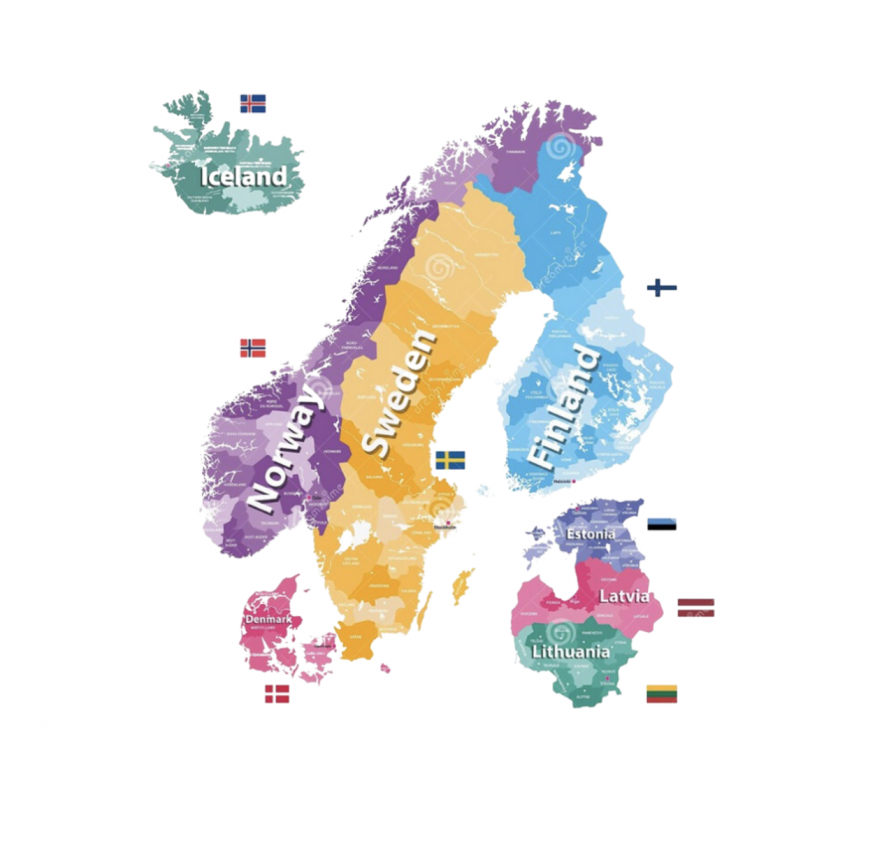
In future blog postings as well in the meetings of the Entrepreneurship and Learning SIG we hope to follow up and dig deeper into the experiences that Nordic and other companies have had when setting up shop in Silicon Valley. I have heard that around 10 Norwegian companies now have operations in SV and Finland has around 25 companies here today, and apparently the goal of Finpro (according to Pekka Pernanen) is to double this in a year or so. We know that Innovation Center Denmark is now the incubator of a number of Danish companies and more will likely arrive here from both Denmark and Sweden. Most of these companies no doubt have fascinating stories and experiences to share, not only about their transitions from their home countries to Silicon Valley, but also in how they plan to leverage this unique environment into long term success of their companies. We look forward to hearing and sharing some of their stories at future SIG meetings as well as in Silicon Vikings blog postings.